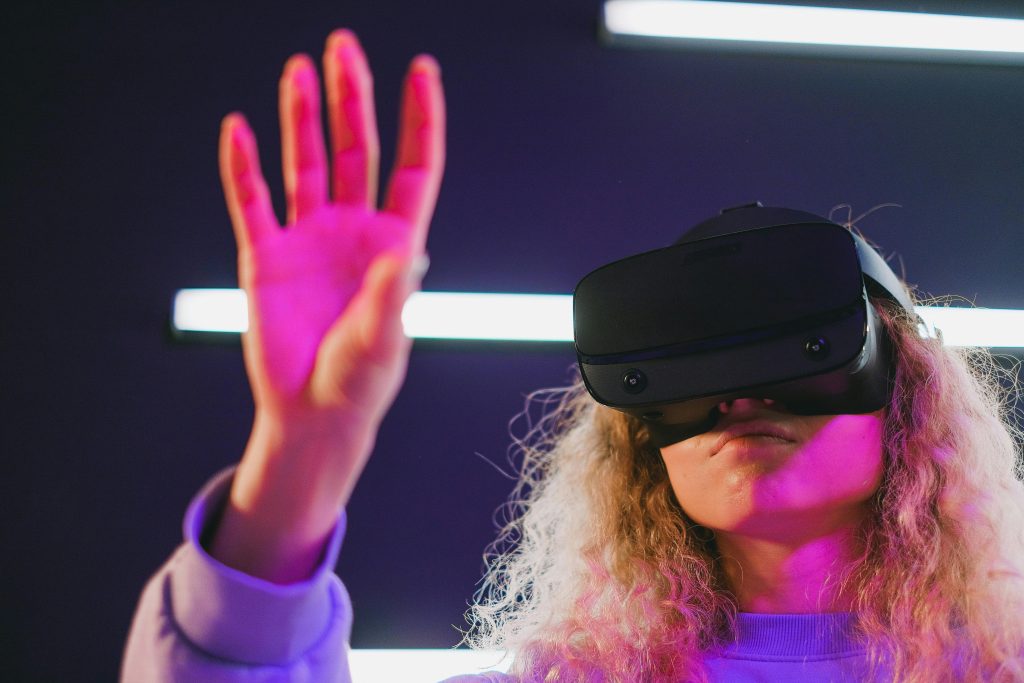
Whether you’re a tech enthusiast, a business professional, or simply curious about the future of computing, augmented reality headsets have never been more exciting — or more accessible. In 2026, the AR headset market has matured dramatically, with options ranging from consumer-friendly devices under £400 to enterprise-grade hardware pushing the boundaries of what’s possible.
This guide covers every major AR headset available right now, tested and ranked to help you find the perfect device for your needs and budget.
What is an AR Headset?
Unlike virtual reality (VR) headsets which replace your view of the world entirely, augmented reality headsets overlay digital information onto the real world around you. Think navigation arrows appearing on the road ahead, colleagues appearing as holograms in your living room, or surgical guides projected directly onto a patient during an operation.
The Best AR Headsets of 2026
1. Apple Vision Pro 2 — Best Overall
Apple’s second generation Vision Pro refines everything that made the original groundbreaking while addressing its key weaknesses. The display quality remains unmatched, with micro-OLED screens so sharp that text appears as crisp as a printed page. Battery life has improved to around four hours of mixed use, and the device is noticeably lighter than its predecessor.
The visionOS ecosystem has matured considerably, with thousands of native spatial apps now available. For professionals, the ability to replace an entire multi-monitor desk setup with unlimited virtual screens is genuinely transformative.
Price: approximately £2,999 — Best for: professionals, creatives, Apple ecosystem users.
2. Meta Quest 4 — Best Value
Meta continues to dominate the accessible end of the market with the Quest 4. While primarily a VR headset, its mixed reality passthrough is now good enough for practical AR use throughout the day. The colour passthrough cameras deliver a sharp, low-latency view of the real world with digital overlays that feel genuinely integrated.
At under £500, nothing comes close to the Quest 4 for value. The app library is enormous, and Meta’s continued investment in the platform makes this a safe long-term purchase.
Price: approximately £449 — Best for: beginners, gamers, value seekers.
3. Microsoft HoloLens 3 — Best for Enterprise
Microsoft’s HoloLens has always been an enterprise product and the third generation doubles down on that positioning. Built for factory floors, surgical theatres, and engineering environments, the HoloLens 3 offers the most sophisticated spatial mapping available in any headset.
Field of view has been significantly expanded compared to its predecessor, addressing the biggest criticism of earlier models. Integration with Microsoft 365 and Azure makes deployment straightforward for IT teams.
Price: approximately £3,500 — Best for: enterprise, manufacturing, healthcare, engineering.
4. Snap Spectacles 5 — Best Lightweight Option
Snap’s fifth generation Spectacles represent the closest thing currently available to genuine all-day AR glasses. They look remarkably like ordinary sunglasses, weigh just 58 grams, and can be worn comfortably for hours. The display is more limited than dedicated headsets, but for notifications, navigation, and quick information overlays they are unmatched for convenience.
Price: approximately £699 — Best for: everyday wear, fitness, navigation, social.
5. Xreal Air 3 — Best Budget Pick
For those wanting to enter the AR space without a significant financial commitment, the Xreal Air 3 delivers a surprisingly capable experience at an accessible price. Connected to a phone or laptop, they project a large virtual screen in your field of view — perfect for travel, watching content, or light productivity.
Price: approximately £299 — Best for: budget buyers, travellers, content consumption.
How to Choose the Right AR Headset
Consider these factors before buying:
Your primary use case matters most. Gaming and entertainment point towardMeta Quest 4. Professional productivity points toward Apple Vision Pro 2. Enterprise and industrial use points toward HoloLens 3. Everyday casual wear points toward Snap Spectacles 5.
Budget is the second consideration. The range from £299 to £3,500 reflects genuinely different capabilities. Don’t overspend for features you won’t use, but don’t underspend and find yourself frustrated by limitations within months.
Ecosystem matters for long-term satisfaction. If you’re deeply invested in Apple devices, Vision Pro’s integration with iPhone, iPad, and Mac is seamless. If you’re on Android or Windows, Meta or Xreal may serve you better.
The Verdict
For most people in 2026, the Meta Quest 4 represents the best entry point into augmented reality — capable, affordable, and backed by a thriving ecosystem. For those who can stretch the budget and want the definitive experience, Apple Vision Pro 2 remains the most impressive piece of consumer technology available today.
Whatever you choose, one thing is certain — augmented reality is no longer a technology of the future. It’s here, it’s practical, and it’s remarkable.
Shop VR Headsets
Experience AR & VR for Yourself
The best headsets available now on Amazon — compatible with the latest AR and VR experiences.
The leading standalone VR headset. Wireless, powerful, perfect for immersive content.
Apple’s spatial computing headset. The ultimate immersive viewing experience.
Sony’s PS5 VR headset. Eye-tracking, haptic feedback and 4K OLED display.
* As an Amazon Associate we earn from qualifying purchases.