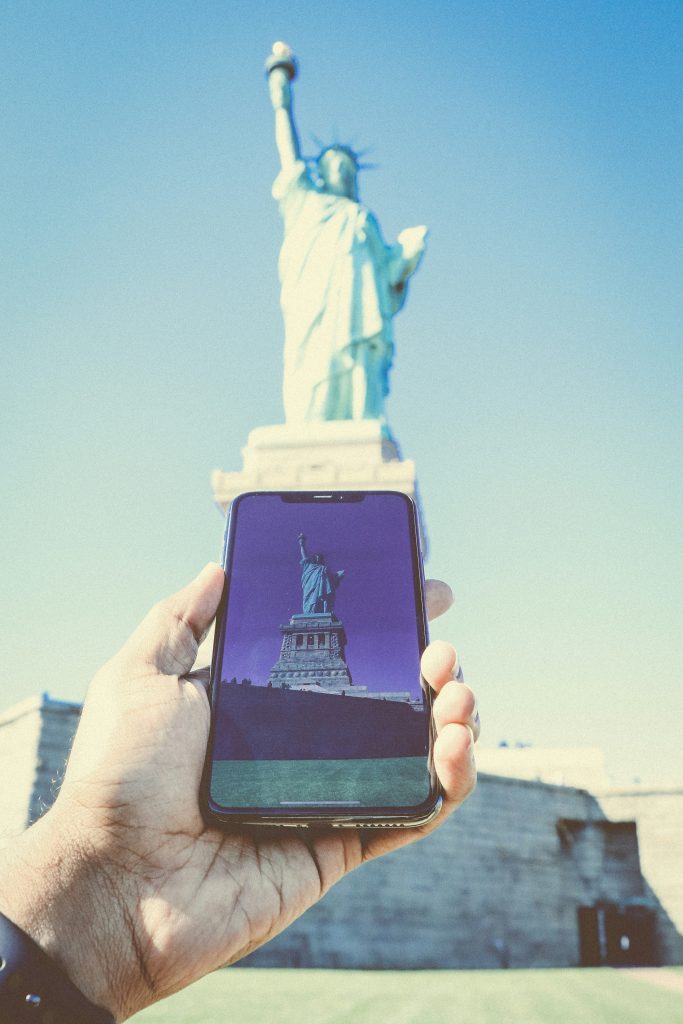
Travel has always been about discovery. But in 2026, augmented reality is adding an entirely new dimension to how we explore the world — overlaying digital information, historical reconstructions, and interactive experiences onto real destinations.
From ancient ruins brought back to life to hotel rooms previewed before booking, AR is quietly becoming one of the most exciting technologies in the travel industry.
AR at Tourist Attractions
The most visible application of AR in tourism is at historical and cultural sites. Museums and heritage attractions around the world are using AR to bring exhibits to life in ways that static displays simply cannot.
At the Colosseum in Rome, visitors can use AR apps to see the ancient amphitheatre reconstructed in its full glory — gladiators, crowds, and all — overlaid onto the ruins they’re standing in. At the Louvre in Paris, AR guides provide contextual information about artworks as visitors look at them, creating a personalised and deeply informative experience.
These experiences don’t just make visits more engaging — they make them more accessible. Visitors who struggle with traditional audio guides or printed information find AR overlays far more intuitive and immersive.
AR Navigation and Wayfinding
Getting lost in an unfamiliar city is part of the adventure — but AR is making navigation far more intuitive for travellers who want guidance without staring at their phone screen.
AR navigation apps overlay directional arrows and points of interest directly onto the real world through a smartphone camera or AR glasses. Rather than looking down at a map, travellers can simply look ahead and see their route displayed in front of them.
Google Maps has integrated AR walking navigation for several years, but the technology has advanced dramatically — now offering real-time translation of street signs, restaurant menus, and local information as travellers move through unfamiliar environments.
Hotel and Accommodation Previews
One of the most practically useful applications of AR in tourism is in accommodation booking. Rather than relying on carefully curated hotel photographs, travellers can now use AR to preview rooms in realistic three-dimensional detail before booking.
Several major hotel chains and booking platforms are integrating AR previews into their apps — allowing travellers to virtually walk through a room, check the view from the window, and assess the space before committing to a booking.
This transparency is transforming customer confidence and reducing the disappointment that has long been a frustration of travel booking.
AR on Aeroplanes and in Airports
Airports are notoriously stressful environments. AR is beginning to change that. Several major international airports have trialled AR wayfinding systems that guide passengers from check-in to gate, highlighting the fastest route and flagging potential delays in real time.
On board aircraft, AR is being explored as an entertainment and information platform — overlaying destination information, flight data, and interactive content onto windows and seat-back screens.
The Future of AR in Tourism
As AR glasses become mainstream consumer products, the travel experience will be transformed. The day is approaching when a traveller arriving in a new city will have instant access to restaurant recommendations, historical information, translation, and navigation — all displayed seamlessly in their field of vision without ever reaching for a phone.
For an industry built on experience and discovery, augmented reality promises to make every journey richer, more informative, and more memorable.
Shop VR Headsets
Experience AR & VR for Yourself
The best headsets available now on Amazon — compatible with the latest AR and VR experiences.
The leading standalone VR headset. Wireless, powerful, perfect for immersive content.
Apple’s spatial computing headset. The ultimate immersive viewing experience.
Sony’s PS5 VR headset. Eye-tracking, haptic feedback and 4K OLED display.
* As an Amazon Associate we earn from qualifying purchases.