
Three years after Google first teased them, the first Android XR glasses finally have a pre-order date, and it came out of an earnings call. On Warby Parker’s third-quarter call on 5 November, co-CEO Dave Gilboa said: “One week from today, on November 12, we’ll begin accepting pre-orders for our first Intelligent Eyewear collection.”
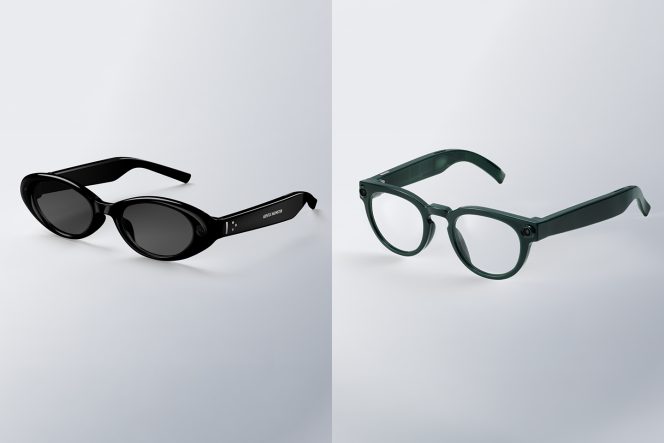
Image: Samsung
What we know about the launch
The glasses are a three-way project. Google makes the Android XR software, Samsung builds the hardware, and Warby Parker and Gentle Monster designed the frames. No price has been announced. Warby Parker said it expects to deliver orders over the holiday season, and Vision Monday reported that first deliveries begin in mid-December.
Customers will be able to try them before they buy. In-store demos start in 65 Warby Parker stores and will expand to all 360, with a pop-up in New York’s SoHo.
The money behind it
The quarter itself was steady. Revenue was $244.7 million, up 10.4% from $221.7 million a year earlier. Net income was $5.6 million and adjusted EBITDA was $28.6 million. Free cash flow was negative $2.0 million, which the company put down to investment ahead of the launch.
The detail we found most interesting is in the guidance. Warby Parker narrowed its full-year revenue forecast to $966 million to $976 million, and it now includes a modest contribution from the glasses. In August, the CFO described the outlook as one that “excludes Intelligent Eyewear revenue contributions”. Between August and November, the company moved the glasses from upside to part of the plan.
Gilboa went further, saying the product will be a significant driver of revenue growth and profitability, “creating a step function change in our business”.
Our take
At AugmentedReality.com, we think the interesting part of this story is where the glasses are being sold. Android XR has so far been a platform with partners and prototypes. A pair of glasses you can try on in a shop, with a date and a delivery window, is the first time it looks like a product. Putting them in an eyewear retailer, rather than an electronics store, also tells you who Google thinks the buyer is: someone who wears glasses already and wants the frames to look right.
The price is the open question. Until we have it, we can’t say whether these are a Ray-Ban Meta rival or something dearer. We’ll be watching 12 November closely.