The wait for a price is over. Google and Samsung’s first Android XR glasses opened for pre-order on 12 November, starting at $395 for Warby Parker’s frames, with sales in the US and South Korea from 10 December.
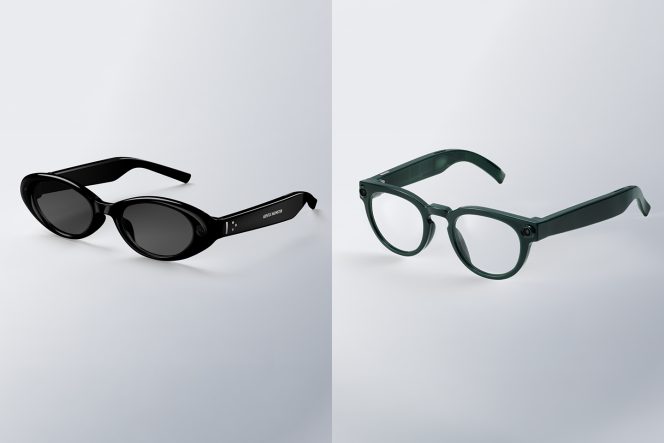
Image: Samsung
What it costs
Warby Parker’s three styles (Alden, Reid and Wren) start at $395. Gentle Monster’s six frames run from $449 to $489 on its US store. Those prices cover the frame with clear or tinted non-prescription lenses.
Prescription lenses are extra. On Gentle Monster’s US store, a clear prescription lens adds $100 and a light-adaptive one adds $140. That puts a $449 pair at $549 with prescription lenses, before you have bought anything else.
What you get
These are smart glasses without a display. Google and Samsung describe a 12MP camera, two open-ear speakers and four microphones, with Gemini controlled by voice or a tap on the frame. Android Central reports a weight of about 41 grams and up to nine hours of battery, with a charging case that adds up to seven more charges.
Gemini can identify landmarks, translate menus, give directions and summarise a whiteboard into Samsung Notes. Samsung’s own description is that the heavy processing runs on the paired phone, not in the glasses.
The catch is the phone
Android Central lists newer Galaxy phones, Pixel 7 and later, and iPhone 13 Pro and later as compatible. Samsung has also said that certain experiences can only be realised within its own ecosystem, and it hasn’t spelled out what iPhone users get. Some features, such as gesture controls, need a Galaxy Watch.
Privacy
An external LED shows when the glasses are recording, with safeguards against covering or disabling it. Google also says Gemini blurs bystanders’ faces in visual requests and that it doesn’t use captured visuals for AI training or ad targeting. That matters after the regulatory pressure we covered on Wednesday.
Our take
At AugmentedReality.com, we think the price is the headline, but the lenses are the story. Warby Parker told investors on 5 November that its outlook now includes a modest contribution from these glasses. A $395 starting price makes them easy to try on in a shop, and prescription upgrades are where a glasses retailer makes the real money.
We’d also be clear about what these are. They are Google’s answer to camera-and-audio glasses, not AR glasses. Google has said display versions come later, and 9to5Google reports 2027. For now, this launch tests whether people will wear Gemini on their face.